Educational content only. No promises of outcomes.
Throughout history, natural elements have been valued for their contribution to overall well-being and vitality. This educational resource explores how botanical components have been traditionally used and understood in the context of male health and self-care. Our focus is purely informational—explaining concepts, describing natural phenomena, and providing context without offering medical advice or promoting specific products.
The principles of natural self-care extend beyond simple supplementation. They encompass a holistic understanding of how lifestyle, nutrition, environment, and natural elements work together to support energy, stamina, and general well-being in men, particularly those over forty.
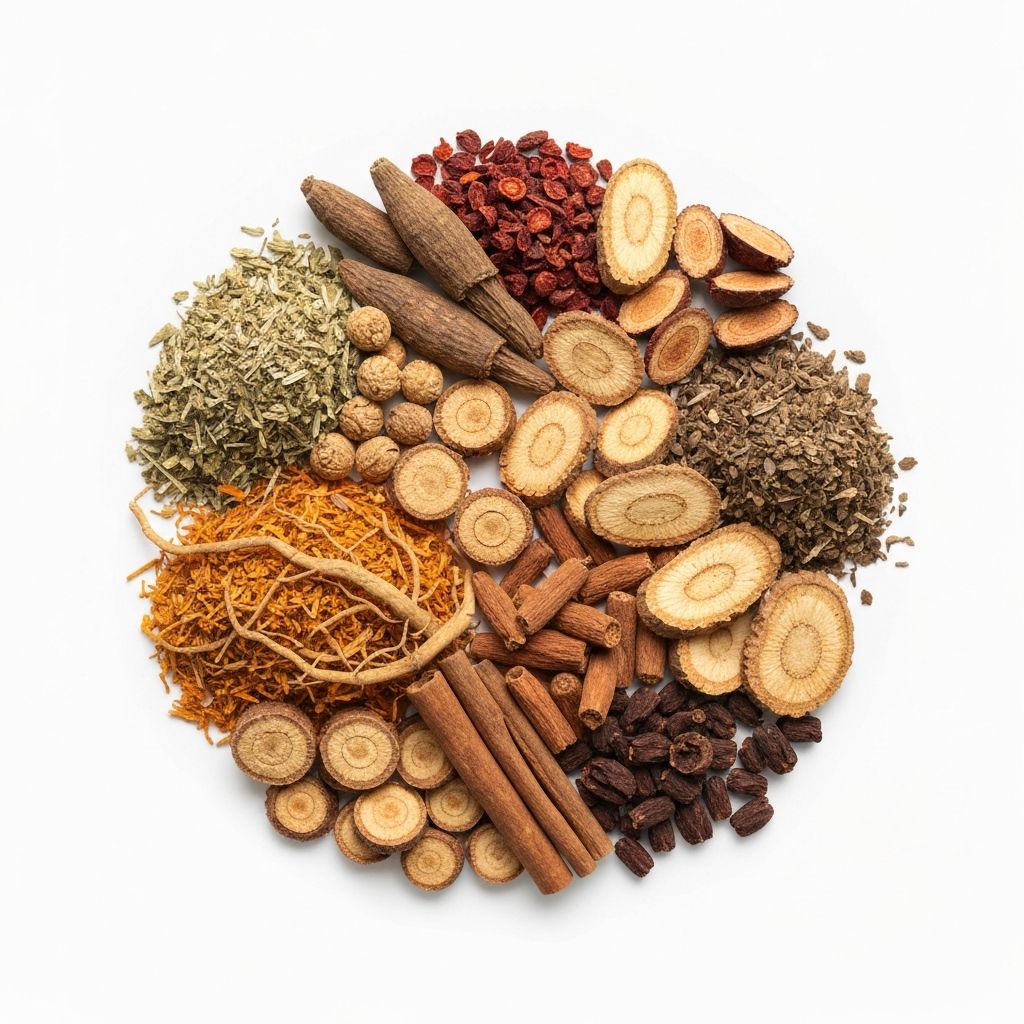
Understanding the diverse range of natural ingredients can help men make informed choices about their daily routines and nutritional approaches. Below is a structured overview of common natural components and their traditional contexts:
| Component | Origin | Traditional Context |
|---|---|---|
| Ginseng | East Asia, North America | Traditionally associated with energy support and vitality |
| Maca | Peru | Historically used in traditional diets for stamina and well-being |
| Tribulus | Mediterranean Region | Traditional use in various wellness practices |
| Cordyceps | Himalayan Region | Traditional adaptogenic herb for energy |
| Saw Palmetto | North America | Traditional botanical in natural wellness approaches |
A balanced approach to nutrition is fundamental to supporting overall health and vitality. This goes beyond individual ingredients or supplements—it encompasses the principle of dietary variety, adequate hydration, and consistent nutritional habits.
For men over forty, maintaining a balanced diet rich in whole grains, lean proteins, vegetables, and healthy fats supports sustained energy levels and general well-being. Regular physical activity combined with quality sleep and stress management creates a comprehensive framework for natural vitality.
The concept of nutritional balance isn't about perfection but rather about sustainable, informed choices that support long-term health and energy.
Aging is a natural process that can be approached with intentionality and awareness. For men over forty, maintaining vitality doesn't mean fighting time—it means adapting practices to support health in each life stage.
Physical activity, quality sleep, stress management, and social connection are foundational elements that support well-being at any age. These lifestyle factors work synergistically with proper nutrition and natural elements to foster sustained energy and health.
The natural approach to aging emphasizes prevention through consistent habits, adaptation to changing needs, and respect for individual differences in how bodies respond to various practices.
The connection between mental well-being and physical vitality is well-established. Practices that calm the mind—such as meditation, time in nature, and mindful movement—contribute to overall health and resilience.
For many cultures and traditions, nature itself has been viewed as a source of wellness and balance. Spending time outdoors, engaging with natural environments, and adopting practices rooted in natural rhythms support both mental clarity and physical energy.
This holistic view recognizes that true vitality encompasses emotional balance, mental clarity, and physical strength working in harmony.
Different cultures throughout history have developed rich traditions of herbal knowledge. These traditions, passed down through generations, offer valuable insights into how natural components have been valued and utilized:
These traditions remind us that natural approaches to vitality have been considered important across diverse cultures and time periods. While scientific understanding evolves, the historical respect for natural elements reflects their significance in human wellness.
Natural components are not substitutes for medical care. They are not cures for diseases and do not replace professional medical advice for health concerns. While natural elements have been valued for supporting general well-being, any serious health issues should be addressed with qualified healthcare professionals.
This educational resource provides information about natural ingredients and their historical uses, but does not offer medical diagnosis, treatment recommendations, or guarantees of specific health outcomes.
The natural environment has a measurable impact on human well-being. Exposure to natural light, fresh air, and natural spaces supports circadian rhythms, mood, and physical health.
For men seeking to enhance their vitality naturally, environmental factors are equally important as nutritional or supplemental considerations. Creating daily routines that include time outdoors, connection with nature, and awareness of natural cycles supports long-term health and resilience.
Consistent, diverse nutrition rich in whole foods provides the foundation for sustained energy and health throughout life.
Regular movement—from walking to structured exercise—maintains strength, cardiovascular health, and emotional well-being.
Consistent, restorative sleep is essential for recovery, hormone balance, and cognitive function at every age.
Practices that calm the mind—meditation, nature time, social connection—reduce stress and support resilience.
Thoughtful integration of natural botanical components complements a foundation of healthy lifestyle habits.
Staying informed and educated about health, nutrition, and wellness supports informed, empowered decision-making.
Explore common questions about natural approaches to well-being and vitality:
Self-care for men encompasses far more than skincare or grooming, though those are valid components. True self-care integrates physical health, emotional well-being, mental clarity, and purposeful living.
Natural approaches to self-care recognize that small, consistent habits compound over time. Whether through dietary choices, movement practices, or mindful engagement with natural environments, these practices build resilience and vitality.
Each man's approach to self-care will be unique, reflecting personal preferences, cultural background, and individual health situations. The key is intentionality and consistency.
Men beyond forty often report changing energy levels, sleep patterns, and physical needs. This is a natural part of aging and an opportunity to refine practices that support sustained vitality.
Rather than resisting these changes, a natural approach involves adaptation. This might mean adjusting exercise intensity, prioritizing recovery and sleep, paying closer attention to nutritional needs, and being more intentional about stress management.
Many men find that their forties and beyond are marked by increased clarity, deeper self-knowledge, and refined understanding of what truly supports their well-being. Natural practices can honor this wisdom and support continued health.
Common botanical terms referenced in natural wellness discussions:
Rexto exists as an independent educational resource dedicated to making knowledge about natural vitality accessible and understandable. We believe that informed individuals are empowered to make decisions that support their own well-being.
Our commitment is to provide clear, accurate, educational information without commercial pressure or medical claims. We respect the complexity of human health and the importance of professional guidance for any medical concerns.
Educational content only. No promises of outcomes.
Continue your learning journey through our various educational sections.